How Long Does a Bus Shelter Last? Materials, Maintenance and What Your Warranty Should Cover

Alex Thomas
Managing Director
A parish council that buys a bus shelter is buying a public asset it will maintain for the next two to three decades. The decision is not a consumer purchase. It is a long-term infrastructure decision. Getting the material choice and the warranty terms right at the point of purchase matters far more than saving a few hundred pounds on the headline price.
Here is what you need to know before you commit.
How long should a bus shelter last?
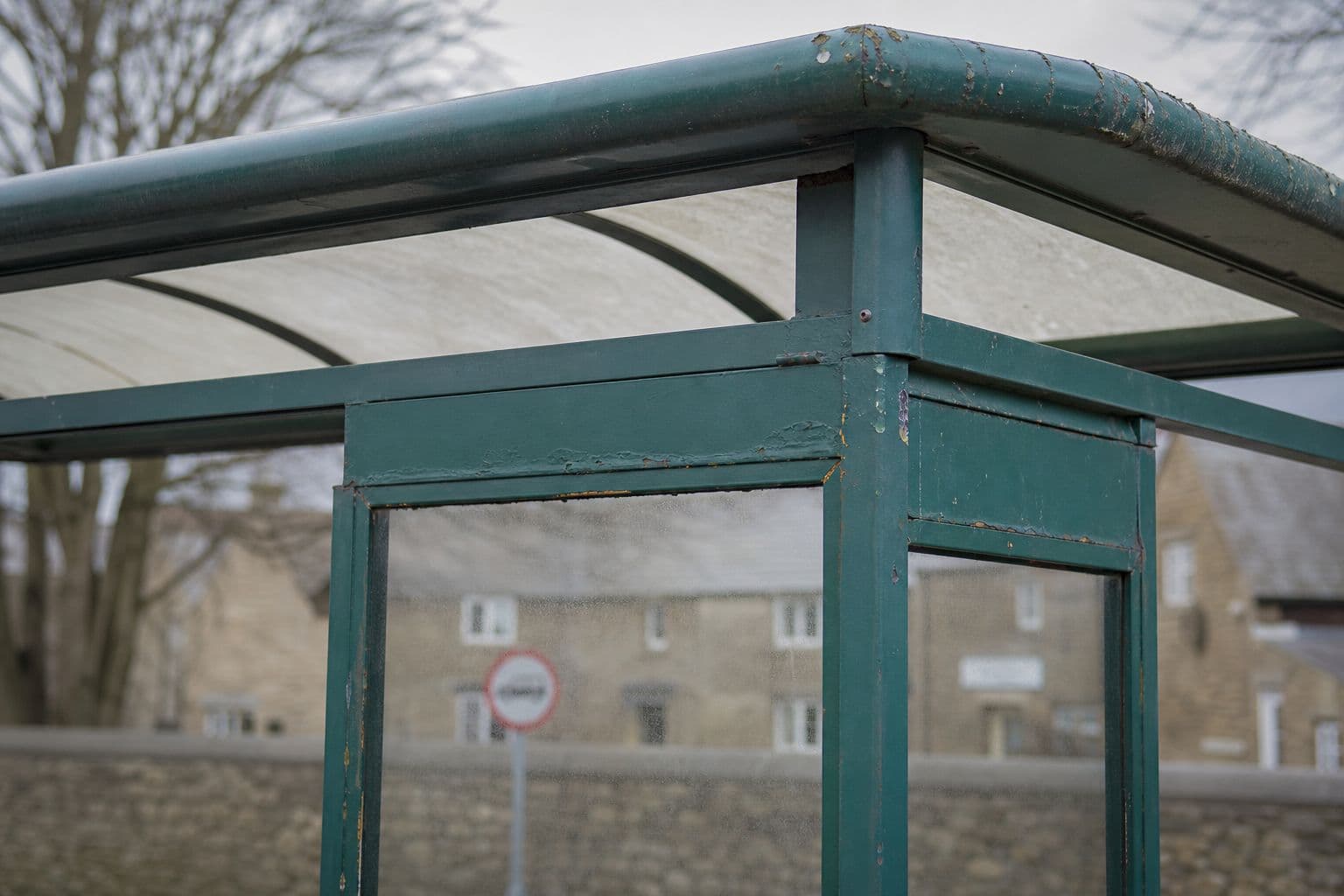
A well-specified, properly installed bus shelter should give you a minimum of 25 years of serviceable life. Some aluminium shelters installed in the 1990s are still in use. A steel shelter painted with standard exterior paint is likely to need repainting within five years and may show structural corrosion within ten to fifteen, depending on exposure.
The lifespan difference between a quality aluminium shelter and a budget steel one is not subtle. Over 25 years, the total cost of ownership of a cheap shelter almost always exceeds that of the more expensive aluminium alternative when you factor in repainting, repairs, and eventual early replacement.
Aluminium vs steel: the honest comparison
Aluminium. Does not rust. Powder coating on aluminium does not need repainting; it is chemically bonded to the metal during the curing process, not paint applied to a surface. An aluminium shelter in a coastal environment (salt air, standing water, driving rain) performs the same as one inland. The frame cannot corrode. The main maintenance activity is periodic washing and inspection of fixings.
Galvanised steel with powder coating. Steel that has been hot-dip galvanised before powder coating is significantly better than plain painted steel. The zinc layer provides corrosion protection even if the powder coat is scratched or chipped. For an exposed rural location, this is a credible option. However, if the galvanising is incomplete (particularly at cut edges and drilled holes), corrosion will track from those points outward beneath the coating over time.
Plain painted steel. Common on older and lower-cost shelters. Requires regular maintenance painting. Rust will appear at fixings, welded joints, cut edges, and any surface damage within a few years in typical UK conditions. Not recommended for any site where low maintenance is a priority.
GRP (Glass Reinforced Plastic). Used for some heritage and traditional-style shelters. Does not corrode, holds colour well. More brittle than aluminium under impact. Repairs are more specialist. Relatively uncommon for new installations but used in conservation areas where aluminium profiles are not acceptable.
What a warranty should actually cover
Warranties on shelters vary enormously in what they cover and for how long. Before you buy, ask specifically:
What is the structural warranty period? A reputable aluminium shelter manufacturer should offer a minimum of 10 years structural warranty. Some offer 25 years. This covers the frame itself: welds, joints, and structural integrity.
What does the powder coat warranty cover? A standard powder coat warranty should protect against peeling, flaking, and significant colour fade for a minimum of 5 years. For a shelter in an exposed coastal or marine environment, ask specifically whether the warranty applies to that exposure class. Some manufacturers exempt coastal installations from standard warranty terms.
Is vandalism damage covered? It rarely is, and that is reasonable. But it is worth knowing. Panel replacement for vandalism damage should be straightforward and affordable with a manufacturer who still stocks compatible components.
What happens to the warranty if you use a different contractor to install it? Many manufacturer warranties are conditional on the shelter being installed by an approved installer or according to the manufacturer's installation instructions. An incorrectly installed shelter that fails prematurely may not be covered.
Are consumable components warranted separately? Polycarbonate roof panels, seals, and anti-graffiti film are wear items. Know their expected lifespan and replacement cost before purchase.
What maintenance is actually required
For an aluminium powder-coated shelter with polycarbonate roof panels, the annual maintenance requirement is minimal.
Annual inspection. Check all visible fixings for tightness, inspect the roof panels for cracks or UV degradation, check the base plates or foundation connection, and look for any graffiti or surface damage that should be treated before it degrades further.
Periodic cleaning. Washing the frame and panels once or twice a year with warm water and a mild detergent maintains appearance and allows inspection. Do not use abrasive cleaners or pressure washers at close range on polycarbonate panels.
Fixing re-tightening. External fixings in the ground or into walls can loosen over time due to thermal movement. A torque check every three to five years is good practice.
Panel replacement. Polycarbonate panels that have yellowed beyond acceptable appearance, or that are cracked or broken, should be replaced. Budget for this at years 10 to 15 for standard polycarbonate. UV-stabilised, coextruded polycarbonate (which carries a longer UV warranty) extends this further.
That is essentially it. A quality aluminium shelter does not require painting, rust treatment, or structural repair under normal conditions.
Questions to ask your supplier before you buy
- What material is the frame and what is the structural warranty?
- What grade of polycarbonate is used and what is the yellowing warranty?
- Is the shelter hot-dip galvanised, and if so, are the cut edges and drilled holes re-treated after fabrication?
- What are the replacement panel lead times and costs?
- Are spare components still available in 15 years? (This is a serious question. Ask about the manufacturer's continuity of supply.)
- What foundation method is recommended for our ground conditions?
For the complete guide to buying, funding, and procuring a bus shelter as a parish council, read: Parish Council Bus Shelter Guide: Planning, Funding and Procurement.
We manufacture aluminium bus shelters in Lancashire and offer a 25-year structural warranty on all standard products. Call 01704 547 321 or visit our parish council bus shelters page.
Managing Director, Alotek Shelters Ltd
About Alex Thomas
Managing Director of Alotek Shelters since 2021. Trained in CAD and design at Southampton Solent University (BSc, 2:1). Design, fabricate and install from the Lancashire workshop.