The DfE Renewal and Retrofit Programme: What Schools in the Priority Regions Need to Know

Alex Thomas
Managing Director
The Department for Education quietly launched a new capital programme in April 2026. The Renewal and Retrofit Programme. £710 million over three years, starting with three priority regions: the East Midlands, Yorkshire and the Humber, and the South East.
Most school business managers I speak to have not heard of it yet. That is actually an opportunity if you are in one of those regions, because the guidance has not been absorbed by every school and the early application windows tend to be less competitive.
Here is what it is, what it funds, and where a covered walkway fits.
What the Renewal and Retrofit Programme is
The Renewal and Retrofit Programme replaces and expands on elements of the previous condition improvement framework. It is not a direct like-for-like successor to CIF. CIF continues to run alongside it for now, with full CIF replacement planned from 2028 when the programme goes national.
The programme has two stated aims that matter for how applications are assessed:
First: improving building condition. Addressing the backlog of condition needs in the school estate. This is the same territory as CIF. Roofs, heating, electrics, structural issues.
Second: improving learning environments. This is new language, and it is important. The DfE guidance specifically names outdoor learning spaces, access to nature, and environmental quality as components of what the programme is trying to improve.
That second aim is where covered walkways and outdoor structures become a more credible part of an application than they ever were under CIF alone.
Which schools are eligible in 2026
The initial rollout covers maintained schools and academies in three regions:
- East Midlands
- Yorkshire and the Humber
- South East
If your school is in one of these regions, you are eligible to apply in the current round. Schools in other regions are not yet included, though the DfE has confirmed a national rollout by 2029 with additional regions coming in each subsequent year.
If you are outside these three regions and reading this for planning purposes: the principles will apply to your school when your region is included. Use this time to get your condition surveys done and your documentation ready.
What "access to nature" means in practice
The Renewal and Retrofit guidance uses the phrase "access to nature" in a way that is different to how it appeared in any previous DfE capital programme. It appears specifically in the learning environment improvement aim, and it is defined to include structured outdoor provision that enables curriculum delivery and pupil wellbeing activities.
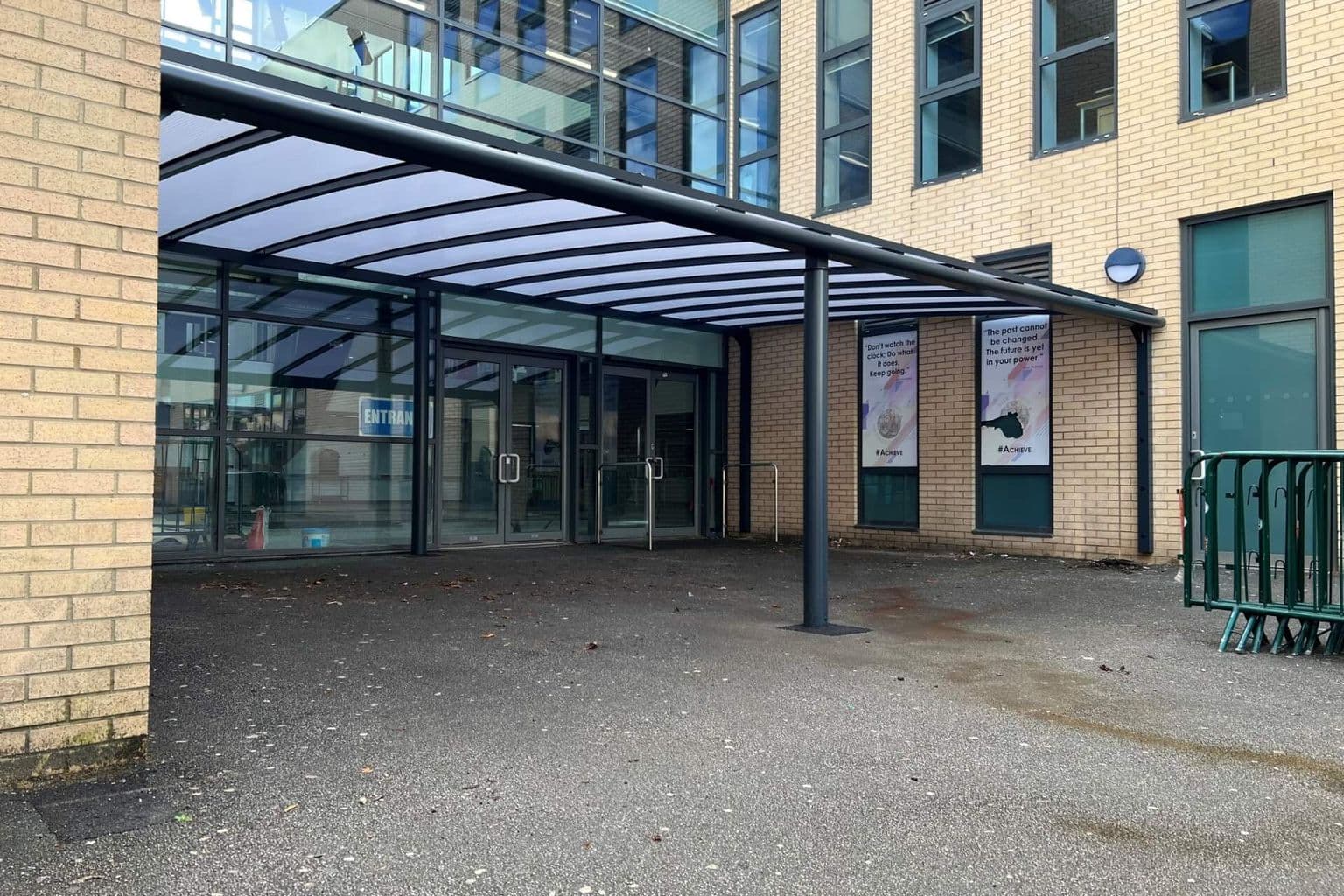
That is meaningful language for outdoor structures. A covered walkway that connects buildings and creates weather-protected access to an outdoor learning area, a nature garden, or a sports facility is not a stretch to frame within "access to nature." It is a direct example of what the guidance describes.
This does not mean you apply for a covered walkway on its own and cite access to nature. The programme still prioritises condition needs first. But if your school has a genuine condition project and the walkway is part of improving the outdoor learning environment as part of that project, the access to nature framing gives you a legitimate hook that did not exist in CIF.
What a qualifying project looks like
The programme is competitive and condition-led. The strongest applications will have most of these elements:
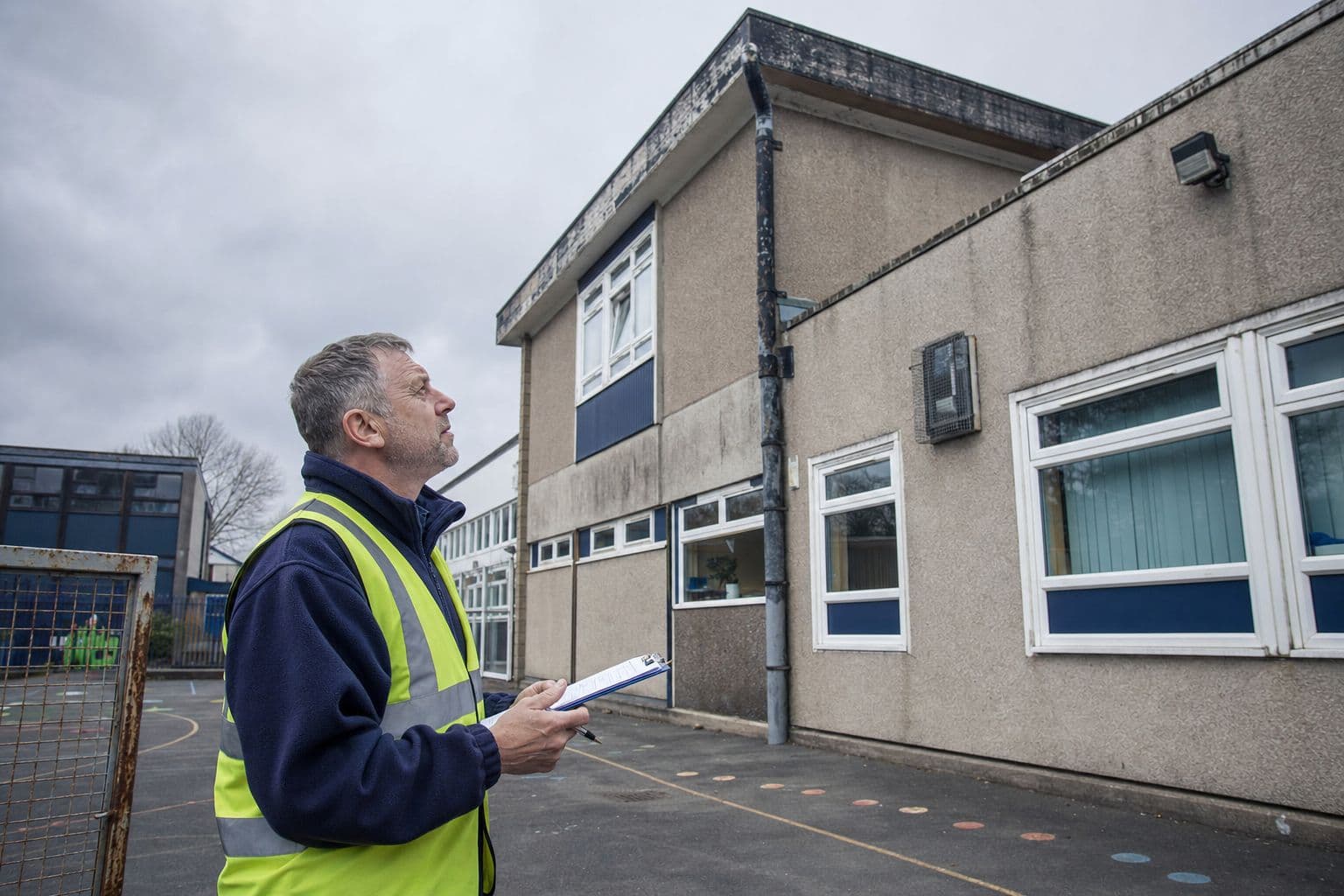
A documented condition need. An independent survey, dated within the last two years, identifying a specific condition issue at your school. This is the bedrock of any application. Without it, you are competing on intention rather than evidence.
A coherent scope. The programme favours projects with a clear primary scope rather than a list of unrelated works. If your primary scope is a failing roof over a link corridor, and the project includes replacing that corridor with a covered walkway to improve access to outdoor learning areas, that is a coherent scope. If you list eight separate items without a clear connection, it reads as a wish list.
A specific learning environment improvement. What will change for pupils when this project is complete? How does it connect to your school improvement plan or OFSTED judgements? Be specific. "Pupils will have weather-protected access to the outdoor learning garden, enabling year-round curriculum delivery of the science and wellbeing programme" is a specific improvement. "The school will benefit from better outdoor facilities" is not.
Value for money evidence. At least two competitive quotes for the full project scope. Per-square-metre cost comparisons. A whole-life cost calculation showing why the investment is sound over 20 to 30 years.
The application timeline for 2026-27
The first application window under the Renewal and Retrofit Programme opened in May 2026 for the three priority regions. The guidance published by the DfE indicates a submission window running through to July 2026, with outcomes announced in November 2026 and delivery in the 2026-27 and 2027-28 financial years.
If you are in the East Midlands, Yorkshire and the Humber, or the South East and you have a condition project that includes or could include a covered walkway, the time to get your independent survey commissioned and your documentation in order is now. You have approximately six to eight weeks to the submission deadline.
If you are outside these regions, the next application round covering additional regions is expected to open in late 2026 or early 2027. Use this window to get your condition surveys done.
How this compares to CIF
CIF and the Renewal and Retrofit Programme are running in parallel for now. The practical differences matter:
CIF is national and covers all eligible schools. It is heavily oversubscribed, with roughly one in three applications succeeding in recent years. It is purely condition-led with no explicit learning environment strand.
The Renewal and Retrofit Programme is currently regional. Fewer schools are eligible in each round. The learning environment strand creates a broader qualifying scope. There is no published success rate yet because the first round is still open.
For schools in the priority regions, applying to the Renewal and Retrofit Programme does not preclude also applying to CIF if your project is eligible for both. They have different assessment criteria and different scoring. Apply to both if your project qualifies for both.
What we can provide to support your application
For schools in the priority regions preparing an application that includes a covered walkway, we can provide:
Full specifications and dimensioned drawings suitable for the application submission. 3D visual renders showing the walkway in context at your specific school. These are consistently what gets governors over the line and what makes assessors confident about scope and cost.
We do not write applications. That requires a technical adviser, your trust's estates team, or a specialist grant consultant. But we can make sure the walkway element of your application is properly evidenced and clearly presented.
If you want specifications ready before the July window closes, call us now on 01704 547 321 or request a free site survey.
For the complete guide to every funding route available for a school covered walkway, including SCA, CIF, finance leasing and all the options in one place: How Schools Fund a Covered Walkway: DfE Grants, SCA and All Your Options Explained.
Managing Director, Alotek Shelters Ltd
About Alex Thomas
Managing Director of Alotek Shelters since 2021. Trained in CAD and design at Southampton Solent University (BSc, 2:1). Design, fabricate and install from the Lancashire workshop.